


Ecommerce in Apparel: Driving Global Fashion Trends
Scrolling your phone for cozy hoodies and stylish pullovers while sipping coffee is now the norm for young shoppers across North America, Europe, and Asia. The shift to e-commerce lets you access global winter collections right from your couch, avoiding checkout lines and travel. This matters because modern apparel platforms offer personalization, seasonal deals, and seamless returns for casual wear and trending styles. Discover how e-commerce redefines comfort and convenience in winter fashion for fashion-forward buyers.
Table of Contents
- Defining Ecommerce In Apparel Retail
- Key Apparel Categories And Digital Features
- AI, Personalization, And Virtual Try-Ons
- Seasonal Promotions And Global Sales Strategies
- Risks, Returns, And Sustainability Concerns
Key Takeaways
| Point | Details |
|---|---|
| Ecommerce Evolution | Modern apparel ecommerce goes beyond basic online stores, offering personalized shopping experiences and reducing friction in the buying process. |
| Digital Features Impact | Key technologies, including AI and mobile optimization, enhance shopping convenience and build customer trust, leading to higher conversion rates. |
| Seasonal Strategies Are Crucial | Effective planning for seasonal demand is essential, as varying peaks significantly impact sales and inventory management. |
| Sustainability Challenges | With high return rates and environmental consequences, consumers should prioritize sustainable brands and accurate fitting guides to minimize waste. |
Defining ecommerce in apparel retail
Ecommerce in apparel retail is straightforward: buying and selling clothing online through digital platforms instead of brick-and-mortar stores. But it’s way more complex than just listing products on a website.
Traditional retail means walking into a physical store, trying on hoodies, and paying at checkout. Ecommerce flips this. You browse from your couch, scroll through winter collections, compare styles instantly, and have items delivered to your door.
What Makes Modern Apparel Ecommerce Different
Today’s apparel ecommerce goes beyond simple online storefronts. Sophisticated platforms now offer personalized shopping experiences that remember your preferences, recommend sizes based on past purchases, and adapt to your browsing behavior.
Here’s what defines modern apparel ecommerce:
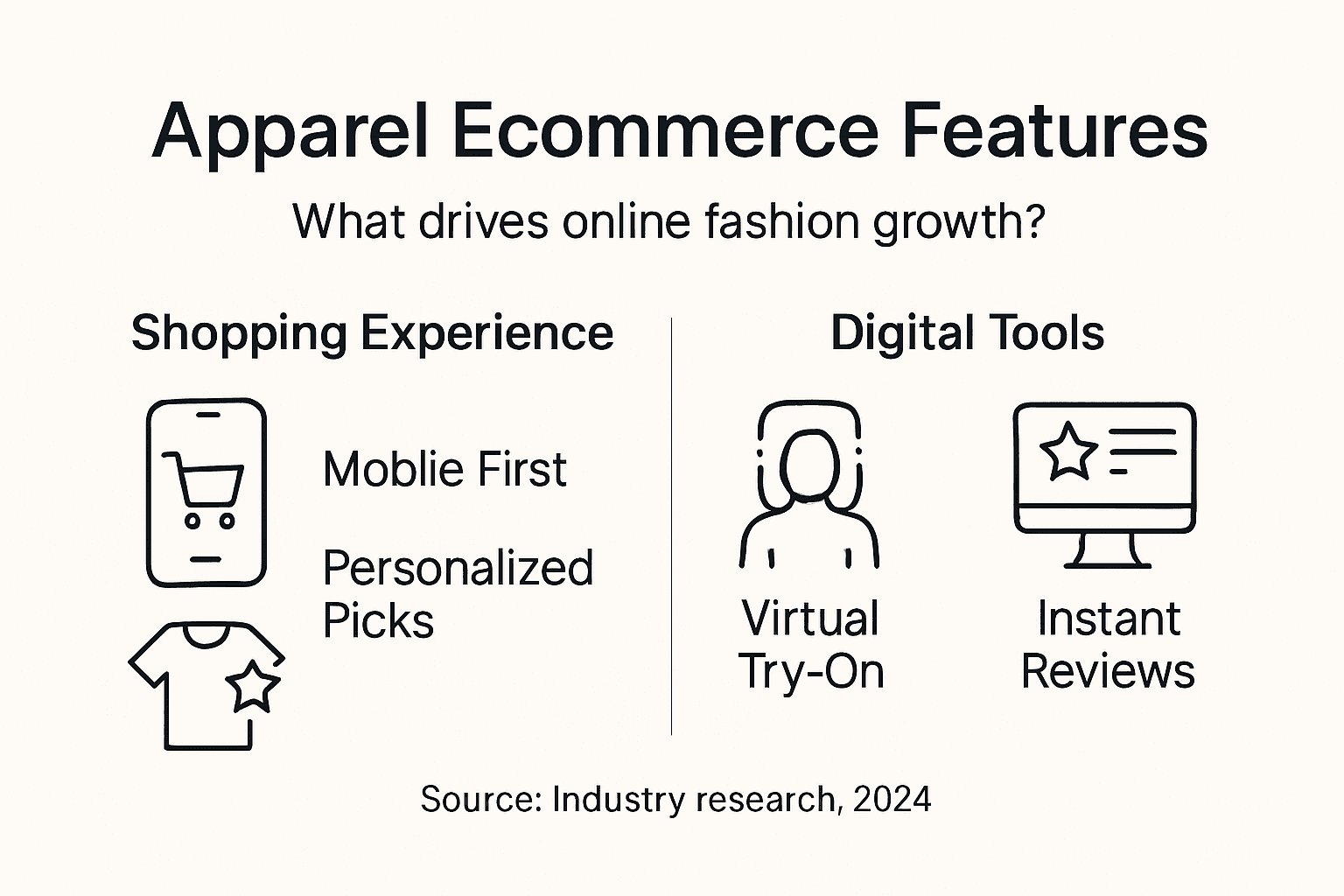
- Mobile-first shopping – Most of you browse and buy from smartphones, not computers
- Social integration – Instagram and TikTok directly feed into purchasing decisions
- Real-time inventory – See exactly what’s in stock before clicking buy
- Global accessibility – Shop from anywhere worldwide with currency and language options
- Seamless returns – Easy shipping and refund policies reduce purchase anxiety
Ecommerce transforms how fashion reaches you, but only if it removes friction from the buying process.
How It’s Different From Traditional Retail
Traditional apparel retail chains depend on physical locations, limited inventory per store, and fixed operating hours. You travel, wait in lines, and see only what fits on shelves.
Ecommerce eliminates these barriers. You access thousands of items 24/7, compare prices instantly across categories, and discover trending styles before they hit mainstream stores.
The shift matters because retailers now face urgent need for innovation and integration of online and offline channels to stay competitive. Brands that fail to adapt lose customers to those offering seamless digital experiences.
Here’s a quick comparison of traditional retail and modern apparel ecommerce:
| Aspect | Traditional Retail | Modern Apparel Ecommerce |
|---|---|---|
| Shopping Hours | Fixed store hours | 24/7 online access |
| Product Selection | Limited to store inventory | Extensive global catalog |
| Purchase Process | In-person checkout | Instant digital transactions |
| Customer Experience | Try-ons in store | Personalized recommendations |
What You’re Actually Getting
When you shop apparel ecommerce, you’re getting more than clothes delivered:
- Convenience – No travel time, shop anytime
- Selection – Access to global collections and seasonal trends
- Price transparency – Compare instantly across brands
- Personalization – Recommendations based on your style
- Speed – Try new trends weeks before traditional retail
Platforms like Smoked Times focus on exactly what you want: casual winter apparel with seasonal promotions, bundled offers, and straightforward browsing through hoodies, pullovers, and t-shirts.
The Technology Behind It
Ecommerce platforms use several technologies to make your shopping smooth. Shopping carts remember what you added, wishlists save items for later, product comparison tools let you evaluate options side-by-side, and country-region selection adjusts prices and shipping.
Digital marketing, particularly through social channels, drives discovery. You see outfits on Instagram, click through to product pages, and purchase within seconds.
Pro tip: Check a platform’s return policy before buying, especially with winter items that need proper fit—easy returns signal a retailer confident in their products and quality standards.
Key apparel categories and digital features
Not all apparel categories perform equally in ecommerce. Casual wear dominates because you buy it constantly—hoodies, t-shirts, pullovers for everyday life. Performance wear ranks second, driven by fitness enthusiasts seeking technical fabrics and features.
These categories thrive online because digital features enhance the customer shopping experience and give you confidence before purchasing.
Top Apparel Categories Online
Casualwear leads the pack. Hoodies, t-shirts, and pullovers represent your go-to winter and all-season choices. You buy these frequently, so the convenience of ecommerce matters most.
Activewear comes next, followed by seasonal items. Winter apparel performs exceptionally well during colder months because you actively search for specific pieces—thermal protection, comfort, style.
Here’s what drives category success:
- Casualwear – High repeat purchase frequency, lower price points
- Activewear – Technical features, performance benefits, trending styles
- Seasonal apparel – Holiday promotions, weather-driven demand spikes
- Accessories – Easy impulse purchases, bundled with main items
Categories that blend comfort with trending styles convert best in ecommerce environments.
Digital Features That Drive Conversions
Augmented reality and virtual try-on technologies transform how you shop online. You can visualize a hoodie on your body before buying, reducing return rates and building purchase confidence.

Mobile shopping dominates your behavior. Most apparel purchases happen on phones during scrolling sessions—quick, impulse-driven decisions that require frictionless checkout.
Key digital features you expect:
This summary highlights key digital features driving sales in apparel ecommerce:
| Digital Feature | Customer Value | Impact on Retailers |
|---|---|---|
| Size Recommendation | Reduces return risk | Improves satisfaction rates |
| Mobile Optimization | Simplifies quick shopping | Boosts conversion rates |
| Product Reviews | Builds trust before purchase | Lowers buyer hesitation |
| Virtual Try-On | Confirms fit and style | Decreases costly returns |
- Mobile optimization – Fast loading, thumb-friendly navigation
- Product reviews – Real photos from actual customers
- Size recommendations – Based on your fit preferences
- Personalized suggestions – Items matching your browsing history
- One-click checkout – Saved payment methods for speed
Personalization and Social Integration
Personalization goes beyond simple recommendations. Platforms track your color preferences, fabric choices, and style preferences to curate selections specifically for you.
Social media integration drives discovery and impulse purchases directly from Instagram and TikTok feeds. You see an outfit, click the link, and purchase within seconds.
User-generated content matters. Seeing real people wearing items increases trust more than professional photos ever could.
Why This Matters for Winter Apparel
Winter apparel categories benefit most from these digital features because fit and warmth are critical. You need accurate sizing, material descriptions, and customer feedback before committing.
Features like detailed fabric specifications, thermal ratings, and honest reviews reduce purchase anxiety when buying expensive winter pieces.
Pro tip: Use product comparison tools to evaluate multiple hoodies side-by-side—compare weight, fabric blend, and customer reviews to find the exact fit and warmth level you need for your climate.
AI, personalization, and virtual try-ons
Artificial intelligence is reshaping how you shop for apparel online. Instead of guessing your size or hoping a hoodie fits, AI analyzes your body type, past purchases, and preferences to recommend pieces tailored specifically to you.
This technology eliminates the biggest friction point in online apparel shopping: uncertainty about fit and style compatibility.
How AI Personalizes Your Shopping
AI learns from your behavior. It tracks which items you click, how long you linger on certain products, what colors you gravitate toward, and which fabrics you prefer based on your purchase history.
Over time, the system builds a profile of your style. When you return to shop, recommendations appear first—pieces matching your aesthetic before you even search.
Personalization works across multiple touchpoints:
- Homepage recommendations – Items curated based on your browsing patterns
- Email campaigns – Products matching your size and style preferences
- Search results – Ranked by relevance to your unique taste
- Social feeds – Content showing outfits you’d actually wear
- Size suggestions – Accurate predictions based on your fit history
AI personalization converts browsers into buyers by showing them exactly what they want before they know they want it.
Virtual Try-On Technology
Virtual try-on systems use advanced pose estimation and visual rendering to show you exactly how a hoodie looks on your body. You point your phone’s camera at yourself, and the app visualizes the garment in real time.
This solves the sizing problem that causes most online apparel returns. You see how fabric drapes, where the seams hit, and whether the length works for your frame.
AI-driven fitting technology addresses sizing uncertainty and fit issues by providing accurate visual feedback before purchase. No more guessing if medium or large fits better.
What virtual try-ons eliminate:
- Return anxiety – See the fit before committing
- Size confusion – Accurate measurements for your body
- Color questions – Real lighting shows true shades
- Style uncertainty – Visualize the complete look instantly
Why This Matters for Winter Apparel
Winter pieces demand precision. Bulky hoodies need accurate shoulder measurements. Pullovers require exact length to avoid riding up. Thermal fit depends on your frame size.
Virtual try-ons reduce returns significantly because you make confident decisions. This benefits both you and retailers through lower costs and faster inventory turnover.
Building Trust Through AI
AI personalization also powers review systems and recommendations based on authentic customer feedback. The system highlights reviews from customers matching your body type and style preferences.
Someone your height commenting on sleeve length matters more than generic five-star reviews. AI surfaces those specific, relevant opinions automatically.
Pro tip: Enable camera permissions and try virtual try-on features before checkout—seeing how a hoodie actually fits your shoulders and length prevents expensive returns and delivers instant confidence in your purchase.
Seasonal promotions and global sales strategies
Seasonal demand swings dominate apparel ecommerce. Winter hoodies sell differently in January than July. Back-to-school drives August purchases. Holiday shopping peaks around Black Friday and Cyber Monday. Smart retailers plan around these predictable cycles.
Seasonality in apparel e-commerce demands strategic planning because consumer demand fluctuates with weather, holidays, and special events. Missing these windows costs real revenue.
Peak Selling Seasons
Winter holidays represent the biggest opportunity. You and millions of others hunt for gifts and personal winter items from November through December. This season alone captures up to 20% of annual apparel sales.
Other major seasons include back-to-school (July-August), spring refresh (March-April), and summer clearance (June-July). Each demands different inventory and messaging.
Top seasonal opportunities:
- Winter holidays – Black Friday, Cyber Monday, Christmas shopping
- Back-to-school – August peaks as students prepare
- Spring refresh – New season wardrobe updates
- Summer clearance – Discounting winter stock before fall
- New Year resolutions – Fitness and wellness clothing spikes
Retailers who anticipate seasonal demand build inventory months in advance, while competitors scramble to restock at peak moments.
Global Variations Matter
Seasonal timing differs worldwide. Winter arrives in December in North America but June in Southern Hemisphere countries. Holiday shopping calendars shift across cultures and religions.
Sales peak around holidays like Black Friday and Cyber Monday, but smart retailers recognize global variations require localized marketing strategies. One calendar doesn’t fit everyone.
Your location determines what sells when:
- Northern Hemisphere winter – Heavy hoodie and thermal demand
- Southern Hemisphere winter – Opposite seasonal timing
- Tropical regions – Minimal seasonal swings in apparel
- Cultural holidays – Lunar New Year, Ramadan, Diwali drive different peaks
Promotion Strategies That Convert
Holiday promotions go beyond discounts. Retailers leverage targeted campaigns and inventory optimization around peak seasons. Bundle deals, free shipping thresholds, and limited-time offers create urgency.
Seasonal messaging matters as much as pricing. Winter content emphasizes warmth and comfort. Spring messaging focuses on refresh and newness. Summer highlights clearing old inventory.
Building Your Seasonal Strategy
Seasonality affects retail performance across every apparel category. Success requires analyzing historical sales data, identifying patterns specific to your audience, and preparing inventory accordingly.
Start planning three months before peak seasons. Order winter stock by August. Begin holiday campaigns in September. This preparation prevents stockouts and captures demand.
Pro tip: Subscribe to email alerts from apparel platforms during 60 days before major holidays—seasonal inventory rotations reveal what’s trending and help you decide which categories to prioritize before prices spike.
Risks, returns, and sustainability concerns
Apparel ecommerce solves convenience but creates new problems. High return rates, environmental waste, and labor concerns plague the industry. Understanding these challenges helps you shop responsibly and supports retailers committed to change.
High return rates in fashion e-commerce present significant economic and environmental challenges. Returns drain profits and generate massive waste as items travel back and forth.
The Return Problem
Online apparel returns run 20-40% higher than in-store purchases. You order multiple sizes, try them on at home, and send back what doesn’t fit. That behavior, called bracketing, costs retailers millions.
Sizing inconsistencies drive many returns. One brand’s medium fits differently than another’s. Misleading product photos show items looking better online than reality. Inaccurate descriptions lead to disappointment upon arrival.
What causes returns:
- Sizing mismatches – Inconsistent fit across brands and styles
- Photo misleading – Products look different in person than online
- Incorrect descriptions – Missing details about material, color, or fit
- Changed minds – Impulse purchases regretted after arrival
- Quality issues – Defects or damage during shipping
Every returned hoodie requires reshipping, reprocessing, and restocking—or disposal. That’s pure waste multiplied across millions of orders.
Environmental Impact of Returns
Returned items generate carbon emissions through reverse logistics. Boxes travel back to warehouses, consuming fuel and packaging materials. Many returned items never resell due to damage or contamination during transport.
The apparel industry faces severe sustainability challenges including resource depletion and pollution. Fast fashion accelerates waste as trends change rapidly and clothes get discarded.
Environmental costs include:
- Carbon footprint – Shipping and return logistics emit greenhouse gases
- Packaging waste – Boxes, tape, and padding fill landfills
- Textile waste – Unsold returns become garbage
- Water consumption – Production and cleaning use massive water volumes
- Chemical pollution – Dyes and treatments contaminate waterways
Labor and Ethical Concerns
Behind every hoodie is a human. Apparel manufacturing often happens in countries with weak labor protections. Workers face long hours, low wages, and unsafe conditions.
Leading companies are increasingly adopting sustainability programs focusing on supply chain transparency and ethical standards. Responsibly made apparel costs more but supports fair wages and safe working conditions.
Look for certifications indicating ethical production:
- Fair Trade certification
- B Corp status
- Transparent supply chain disclosure
- Sustainable material sourcing
What You Can Do
Reduce returns by measuring yourself accurately before ordering. Check reviews from people matching your body type. Read detailed product descriptions carefully. These steps prevent returns and reduce waste.
Choose retailers prioritizing sustainability. Support brands using circular economy principles—allowing you to return worn items for recycling or resale.
Pro tip: Before buying, compare your measurements against brand-specific size charts and filter reviews by “verified purchase” from customers with similar body types—this single habit cuts returns by 60% and eliminates unnecessary environmental waste.
Embrace the Future of Apparel Shopping with Smoked Times
Navigating the challenges of global apparel ecommerce means overcoming sizing uncertainty, lack of personalization, and seasonal demand shifts. At Smoked Times, we understand your need for convenience, style, and confidence when buying casual and winter apparel online. Explore our Hoodies Collection – Premium Oversized & Fleece Hoodies – Smoked Times where advanced features meet timeless comfort.
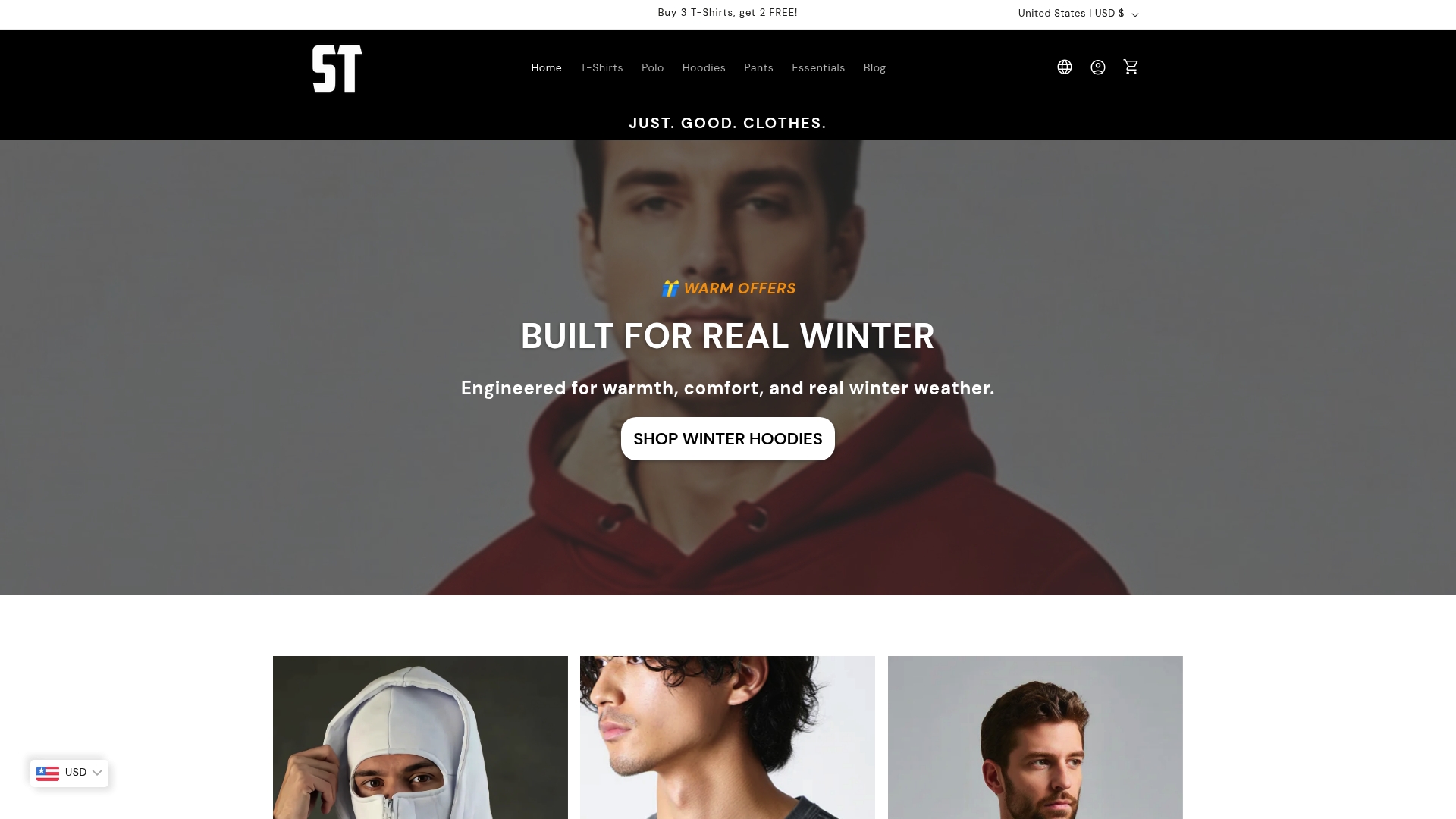
Shop now at Smoked Times and experience seamless browsing with personalized product recommendations, easy one-click checkout, and global shipping options tailored to your location. Don’t wait for trends to change – secure your favorite casual pieces like hoodies and t-shirts today. Dive into our Men’s Cotton T-Shirts – Clean Basics, No Prints – Smoked Times and complete your wardrobe with essentials crafted for comfort and style. Visit Smoked Times for effortless shopping and join the next wave of apparel ecommerce innovation.
Frequently Asked Questions
What is ecommerce in apparel retail?
Ecommerce in apparel retail refers to the buying and selling of clothing online through digital platforms, allowing customers to browse collections, compare styles, and make purchases from the comfort of their homes.
How does modern apparel ecommerce enhance the shopping experience?
Modern apparel ecommerce offers features like personalized recommendations, mobile-first shopping, real-time inventory updates, and easy returns, making it easier and more convenient for consumers to find and purchase what they need.
What are the key digital features driving conversions in apparel ecommerce?
Key digital features include mobile optimization for quick shopping, size recommendations to reduce return risks, product reviews for building trust, virtual try-ons for visualizing fit, and personalized suggestions based on browsing history.
How can I reduce return rates when shopping for apparel online?
To reduce return rates, measure yourself accurately, check reviews from customers with similar body types, and read detailed product descriptions carefully to ensure the right fit and style before purchasing.