


Master the role of winter wear for style and warmth in 2026
You’ve probably heard that winter wear means choosing between looking good and staying warm. That’s a myth that costs people comfort and confidence every cold season. Modern winter clothing serves multiple roles beyond simple insulation, from moisture management to style expression, making it essential for both daily routines and outdoor adventures. Understanding how winter wear functions helps you build a wardrobe that performs in freezing temperatures while reflecting your personal aesthetic. This guide breaks down the science behind effective winter clothing and shows you how to select pieces that work for casual lifestyle needs and seasonal activities.
Table of Contents
- Understanding The Essential Functions Of Winter Wear
- Balancing Style And Comfort For Everyday Winter Wear
- Key Winter Wear Styles And Layering Techniques For 2026
- Choosing Winter Wear For Seasonal Outdoor Activities
- Explore Stylish And Functional Winter Wear Options
- FAQ
Key takeaways
| Point | Details |
|---|---|
| Winter wear balances warmth, comfort, and style | Effective clothing combines thermal protection with fashionable design for daily use |
| Layering adapts to temperature changes | Multiple garment layers allow flexible adjustment throughout the day |
| Material choice impacts performance | Fabric selection determines moisture control, insulation, and aesthetic appeal |
| Proper gear supports varied activities | Winter clothing requirements differ between urban wear and outdoor pursuits |
Understanding the essential functions of winter wear
Winter clothing does far more than trap heat against your skin. The primary function involves creating thermal insulation through air pockets in fabric weave or fill materials, which slows heat transfer from your body to the cold environment. Quality winter wear also manages moisture by wicking perspiration away from skin to outer layers where it can evaporate, preventing the clammy feeling that makes cold weather unbearable.
Protection from wind, snow, and rain represents another critical role. Wind strips away the warm air layer surrounding your body, a phenomenon called convective heat loss that makes temperatures feel much colder than the thermometer suggests. Thermal insulation and moisture management are crucial for maintaining comfort during extended exposure. Weather-resistant outer layers block these elements while allowing internal moisture to escape.
Comfort during movement matters just as much as warmth. Restrictive clothing that bunches or pulls limits your range of motion and makes everyday activities frustrating. Modern winter wear uses stretch fabrics and ergonomic cuts that move with your body, whether you’re reaching for items on high shelves or walking through snow-covered parking lots.
The layering system maximizes all these functions simultaneously:
- Base layers sit against skin to wick moisture and provide initial warmth
- Mid layers trap air for insulation without adding excessive bulk
- Outer layers shield from wind and precipitation while releasing internal moisture
- Each layer works independently but performs best as part of the complete system
Pro Tip: Start your layering system with synthetic or merino wool base layers rather than cotton, which absorbs moisture and loses insulating properties when wet, leaving you cold and uncomfortable throughout the day.
Balancing style and comfort for everyday winter wear
Casual consumers refuse to sacrifice appearance for warmth, driving brands to create winter clothing that looks as good as it performs. This shift reflects broader lifestyle changes where people expect their wardrobes to transition seamlessly from home to office to social settings without costume changes. The choice of comfortable clothing significantly influences style preferences and purchasing decisions.
Soft fabrics like fleece and cotton-polyester knit blends deliver the tactile comfort that makes winter clothing enjoyable to wear all day. These materials feel pleasant against skin while maintaining shape through repeated washing, unlike cheaper alternatives that pill or stretch out after a few uses. Texture adds visual interest to simple silhouettes, with ribbed cuffs, waffle weaves, and brushed finishes creating depth without loud patterns.
Layering enables outfit versatility that single heavy coats cannot match. A quality hoodie works under a jacket for extreme cold, alone for moderate temperatures, or tied around your waist when you warm up from activity. This adaptability means fewer total garments needed in your closet while maintaining more styling options for different occasions and weather conditions.
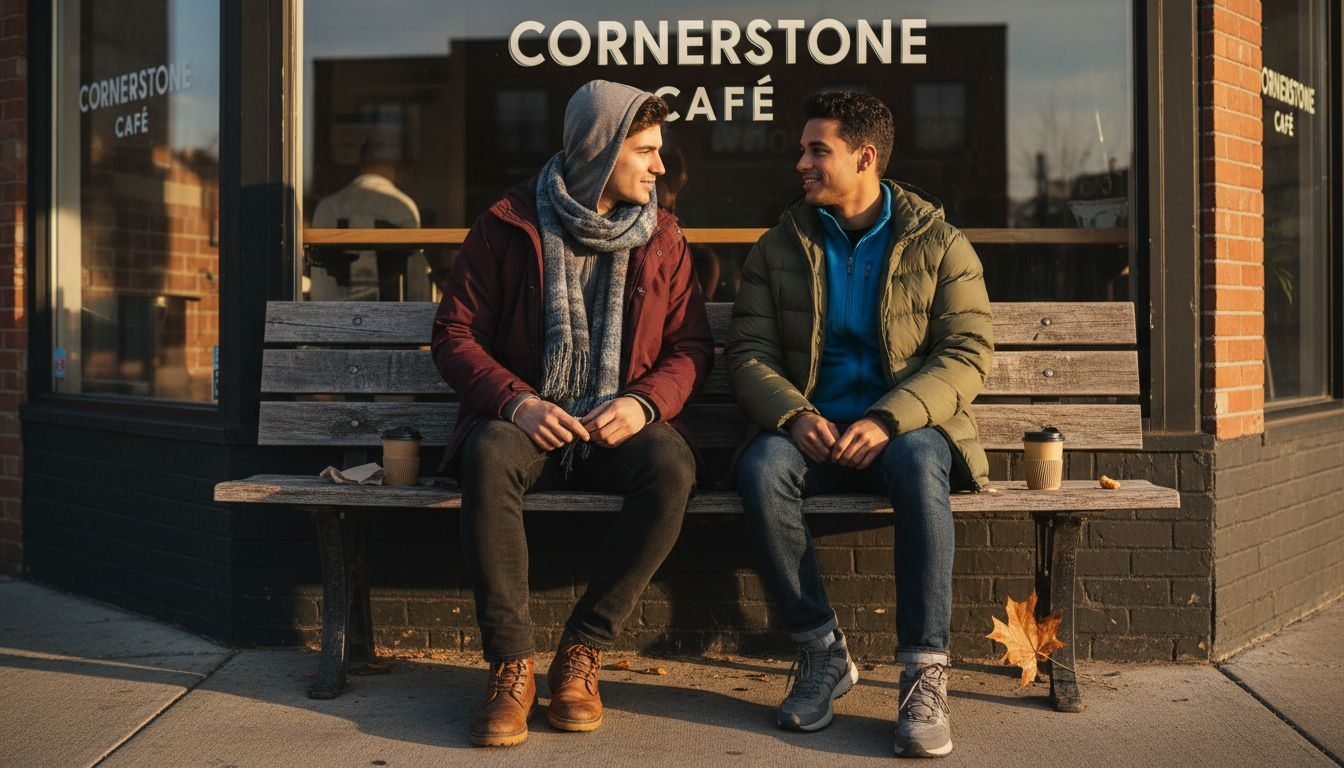
Personal identity expression through clothing choices remains important even in winter. Color selection, fit preferences, and style details like drawstrings or kangaroo pockets communicate individual taste. People gravitate toward winter wear that aligns with their self-image, whether that means minimalist neutrals, bold statement pieces, or athletic-inspired designs.
Casual consumers prioritize these features when selecting winter wear:
- Softness against skin for all-day comfort without irritation
- Tailored fit that flatters body shape without excess fabric
- Style versatility for multiple outfit combinations
- Easy care requirements like machine washing and quick drying
- Warmth without excessive bulk or weight
The intersection of comfort and style creates emotional satisfaction beyond practical warmth. Wearing clothing that feels good and looks attractive boosts confidence and mood during dark, cold months when seasonal affective patterns can impact mental wellbeing. Quality winter wear becomes an investment in daily quality of life rather than just protection from weather.
Key winter wear styles and layering techniques for 2026
Current winter fashion emphasizes clean lines and functional details that work in both urban and outdoor settings. Insulated puffer jackets with slim profiles provide serious warmth without the marshmallow appearance of older styles. Layered hoodies under structured coats create casual sophistication, while textured knitwear adds visual interest to simple jeans and boots combinations. Mastering casual layering techniques enhances both warmth and visual appeal throughout the season.
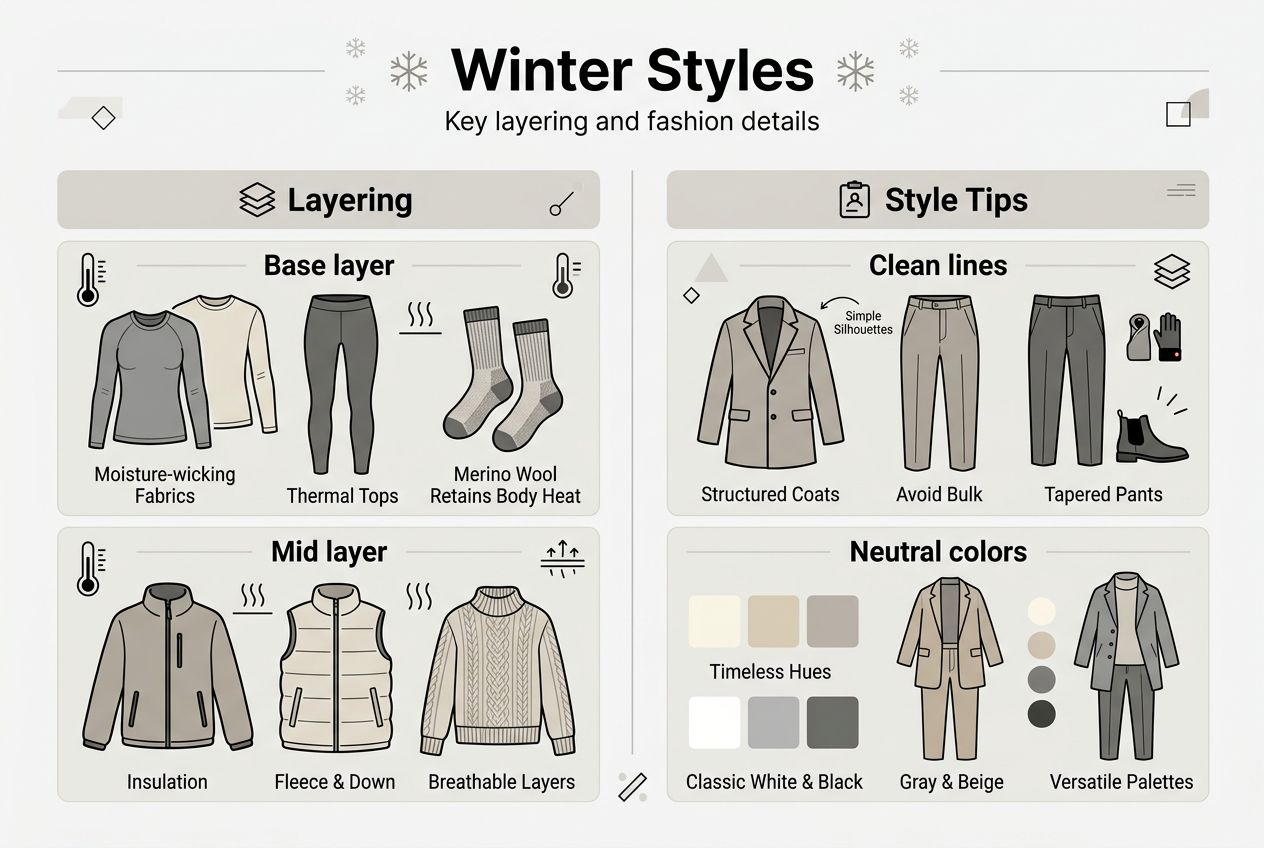
The three-layer system remains the foundation of effective winter dressing, with each component serving distinct purposes:
| Layer Type | Purpose | Typical Fabrics | Example Garments |
|---|---|---|---|
| Base | Moisture wicking, initial warmth | Merino wool, synthetic blends, silk | Thermal shirts, long underwear |
| Mid | Insulation, air trapping | Fleece, down, synthetic fill | Hoodies, vests, sweaters |
| Outer | Weather protection, wind blocking | Nylon, polyester shells, treated cotton | Jackets, parkas, coats |
Follow these steps to build effective layered outfits:
- Select a fitted base layer in moisture-wicking fabric that sits close to skin without compression
- Add an insulating mid layer with enough room to trap air but not so loose it allows heat to escape
- Top with a weather-appropriate outer layer that blocks wind and precipitation while allowing moisture vapor to exit
- Adjust layers throughout the day by removing or adding pieces as activity level and temperature change
- Ensure each layer works independently so you can wear pieces separately in milder conditions
Color coordination across layers expands outfit possibilities. Neutral bases in black, gray, or navy pair with almost any mid and outer layer combination. Statement pieces in one layer allow simpler choices in others, preventing visual chaos from too many competing elements. Monochromatic schemes in varying shades create sophisticated looks that appear intentional rather than thrown together.
Pro Tip: Choose outer layers with tailored cuts and weatherproof fabrics that transition from outdoor activities to indoor social settings, eliminating the need to carry extra clothing or sacrifice style for function.
Accessories complete winter outfits while serving practical purposes. Beanies and scarves add pops of color or texture while protecting extremities where heat loss occurs rapidly. Gloves with touchscreen-compatible fingertips let you use devices without exposing hands to cold. These finishing touches elevate basic layered combinations into polished looks.
Choosing winter wear for seasonal outdoor activities
Outdoor winter activities demand clothing with enhanced performance features beyond everyday casual wear. Hiking, snowshoeing, skiing, or even extended walks require garments that manage intense activity-generated heat and moisture while protecting from severe weather exposure. The right outdoor clothing essentials make the difference between enjoyable adventures and miserable experiences.
Breathability becomes critical during physical activity. Your body generates significant heat and moisture when moving, which must escape to prevent overheating and subsequent chilling when you stop. Fabrics with high breathability ratings allow water vapor to pass through while blocking external moisture. This balance keeps you dry from both internal perspiration and external precipitation.
Mobility requirements increase for outdoor activities compared to stationary urban wear. Reaching, bending, climbing, and extended walking demand articulated cuts and stretch panels in strategic locations. Restrictive clothing causes fatigue and increases injury risk when movement feels awkward or constrained. Gusseted underarms, stretch side panels, and ergonomic seaming enhance range of motion.
| Feature | Everyday Winter Wear | Outdoor Activity Wear |
|---|---|---|
| Insulation | Moderate, style-focused | High performance, activity-specific |
| Breathability | Basic moisture management | Advanced vapor transmission |
| Weather Resistance | Light protection from elements | Full waterproof/windproof barriers |
| Mobility | Standard fit, casual movement | Articulated design, unrestricted range |
| Durability | Regular use longevity | Abrasion resistance, reinforced stress points |
Key considerations when selecting outdoor winter wear include:
- Mobility features like stretch fabrics and articulated joints for unrestricted movement
- Temperature regulation through adjustable vents and removable layers
- Durability with reinforced areas at elbows, shoulders, and knees
- Visibility elements like reflective strips for low-light safety
Fabric technologies have advanced significantly, offering materials that repel water while maintaining breathability. Membrane systems like those in technical shells allow moisture vapor molecules to escape while blocking larger water droplets from entering. DWR (durable water repellent) coatings cause water to bead and roll off fabric surfaces rather than soaking in. These treatments require periodic reapplication but dramatically improve performance.
Layering for outdoor activities follows the same three-tier system but with upgraded component specifications. Base layers need superior wicking to handle heavy perspiration. Mid layers should compress easily for temperature regulation by opening jackets or removing pieces entirely. Outer shells must withstand wind, snow, and rain while packing small when weather improves.
Specialized accessories become essential rather than optional. Insulated gloves with grip-enhancing palms prevent hand numbness and maintain dexterity. Thermal socks in moisture-wicking materials prevent blisters and cold toes. Neck gaiters or balaclavas protect facial skin from windburn and frostbite risk during extended exposure to extreme conditions.
Explore stylish and functional winter wear options
Finding winter clothing that delivers both performance and style doesn’t require compromising on either factor. Smoked Times curates collections designed specifically for people who value comfort and appearance equally, whether you’re running errands around town or heading out for weekend adventures in cold weather.
Our winter apparel lines combine technical fabrics with contemporary designs that work in multiple settings. From insulated hoodies perfect for layering to weather-resistant outerwear that looks sharp in any environment, each piece balances function with aesthetic appeal. Browse the full selection at Smoked Times to discover options suited to your lifestyle and climate needs.
Your experience helps others make informed decisions about winter wear purchases. Share your thoughts on fit, warmth, and style by visiting our review submission page after trying products. Real feedback from actual users provides valuable insights that product descriptions alone cannot capture, building a community of informed consumers who help each other find the best winter clothing solutions.
FAQ
What materials are best for winter wear to stay warm and comfortable?
Wool, fleece, and synthetic blends offer excellent warmth while managing moisture effectively. Merino wool provides natural temperature regulation and odor resistance, making it ideal for base layers worn against skin. Fleece and polyester blends trap air for insulation while wicking perspiration away from your body. Layering different fabrics maximizes their individual strengths, creating a system that performs better than any single material alone.
How can I style winter hoodies for a casual yet trendy look?
Pair hoodies with layered jackets and well-fitted casual pants for a polished appearance that stays warm. Choose hoodies in solid colors or subtle patterns that complement outer layers rather than competing visually. Add accessories like beanies or scarves in coordinating shades to complete the outfit. Styling winter hoodies effectively means treating them as versatile mid layers that work in multiple combinations rather than standalone statement pieces.
What are essential layering tips for outdoor winter activities?
Use moisture-wicking base layers, insulating mid layers, and weatherproof outer layers as your foundation system. Start with synthetic or merino wool against skin to manage perspiration, add fleece or down for warmth, then top with a windproof and waterproof shell. Adjust layers based on activity intensity, removing insulation when you’re generating heat through movement and adding it back during rest periods. This flexible approach prevents both overheating during exertion and dangerous chilling when you stop moving.
Can winter fashion be both functional and eco-friendly?
Many brands now offer recycled and sustainable materials that provide excellent insulation without environmental compromise. Recycled polyester from plastic bottles performs identically to virgin materials while reducing waste. Organic cotton and responsibly sourced down meet warmth needs with lower ecological impact. Eco-conscious consumers can find stylish, warm options by researching brand sustainability practices and choosing quality pieces that last multiple seasons rather than disposable fast fashion items.
Recommended
- Master winter casual style for warmth and trend in 2026 – Smoked Times
- Winter Fashion Guide 2026: Master Casual Layering Trends – Smoked Times
- Why choose comfortable clothing for stylish winter wear – Smoked Times
- Casual Outfit Guide 2026: Build Your Perfect Winter Look – Smoked Times
- Mastering Fashion with Hoodie: Stylish Outfit Ideas for 2025 – ChillStitchApparel
- Streetwear Trends 2026 – Why Sustainability Matters – MEXESS